
Media Center
Blogs
An ankle bone fracture is a common injury that can occur after a fall, sports accident, twisting injury, or road traffic collision. While some fractures are minor and stable, others are more complex and require surgical treatment. Prompt diagnosis and appropriate care are essential to ensure proper healing, restore mobility, and reduce the risk of long-term complications such as chronic pain or ankle arthritis.
Key Takeaways
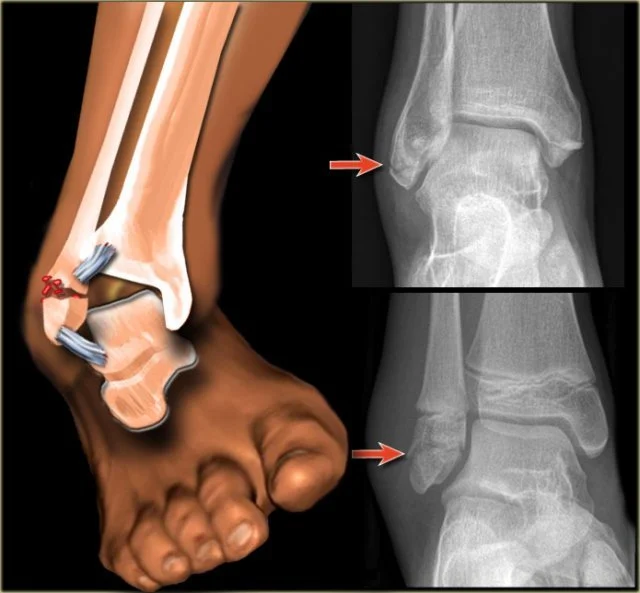
An ankle bone fracture occurs when one or more of the bones forming the ankle joint break. These include the tibia (shinbone), fibula (outer lower leg bone), and talus. Fractures can be stable, where the bones remain aligned, or unstable, where the bones shift out of position and may require surgery.
Common symptoms include:
If the injury is accompanied by an open wound, severe deformity, or inability to move the foot, urgent medical attention is required.
Your orthopaedic specialist will assess your symptoms, examine the ankle, and evaluate your ability to move and bear weight. X-rays are usually the first imaging test used to confirm a fracture. In more complex injuries, CT or MRI scans may be recommended to assess the bones, ligaments, and surrounding soft tissues.
Treatment depends on the severity of the fracture and may include:
Not every ankle injury is a fracture. Severe sprains, ligament tears, and tendon injuries can cause similar symptoms but require different treatment. Accurate diagnosis ensures the right care, promotes proper healing, and reduces the risk of chronic instability or arthritis.
Seek medical attention immediately if:
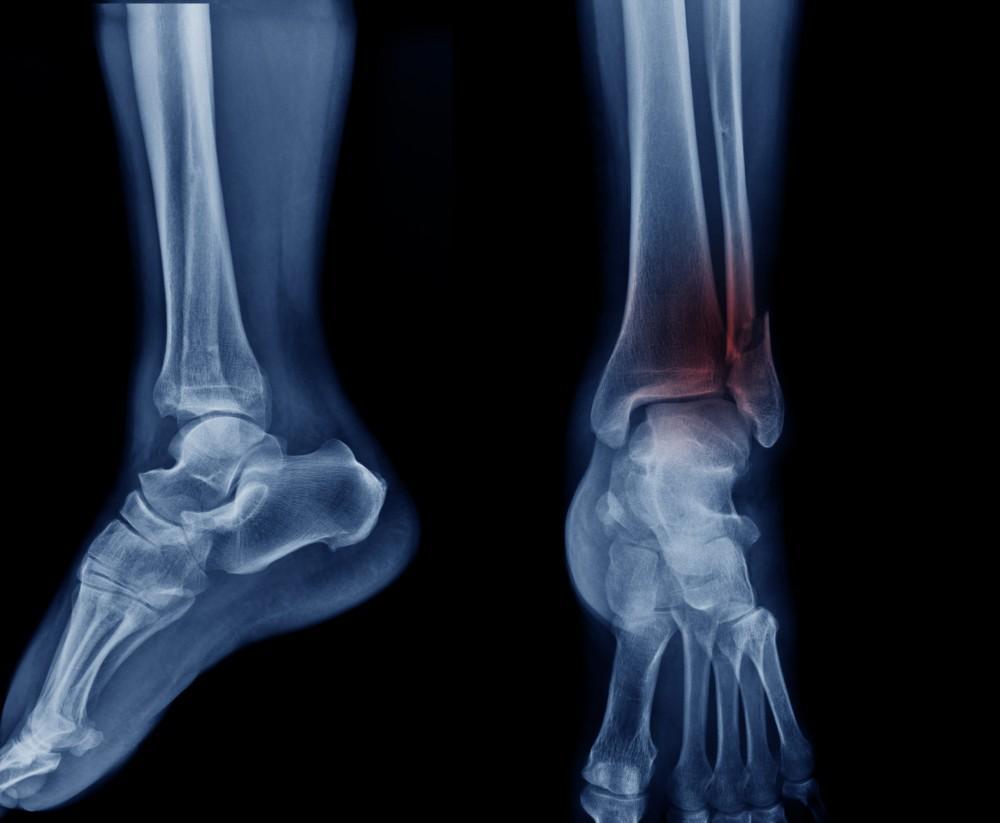
At Sheikh Sultan bin Zayed Hospital, our Orthopaedic specialists provide comprehensive assessment and treatment for ankle fractures using advanced imaging, modern surgical techniques, and personalised rehabilitation programmes. From emergency care to full recovery, our multidisciplinary team is committed to helping you regain strength, mobility, and confidence.
To book an appointment, call 800 642.
Don’t wait, early diagnosis can make a life-changing difference. Book your appointment today and get the expert care you deserve.
Most ankle fractures heal within 6 to 12 weeks, although full recovery may take longer depending on the severity of the injury.
No. Stable fractures often heal successfully with immobilisation, while unstable or displaced fractures may require surgery.
This depends on the type of fracture. Your orthopaedic specialist will advise when it is safe to gradually bear weight.
Yes. Physiotherapy helps restore strength, flexibility, balance, and normal walking after the bone has healed.
Untreated fractures may heal incorrectly, leading to chronic pain, ankle instability, reduced mobility, and early arthritis.
Conveniently located in Al Batayeh, Sharjah, Sheikh Sultan bin Zayed Hospital is easily accessible and serves communities across the Northern Emirates.
We are committed to providing world-class care to every patient we serve.
We welcome your feedback! Please let us know if you have any compliments, suggestions or concerns about our services.
Please contact us if you have any questions or would like more information.


