
Media Center
Blogs
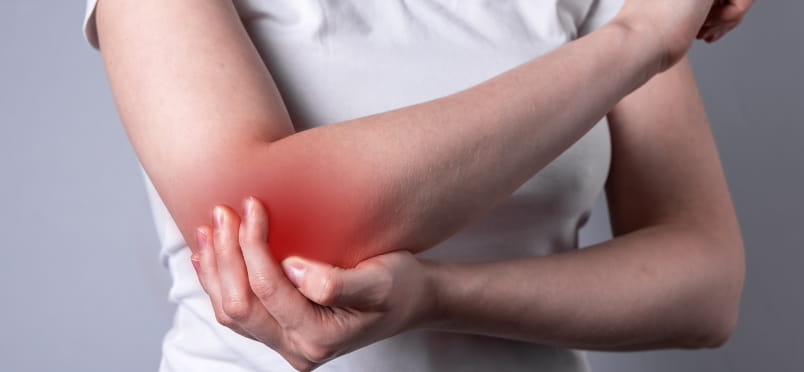
Joint pain is a symptom, not a diagnosis. It can follow an injury, build up through overuse, arrive suddenly through inflammation, or develop slowly as part of a long-term condition. Occasionally it signals an infection that needs treating within hours.
The severity of pain matters, but other clues are often just as important: which joint is affected, how the pain started, whether one or several joints are involved, and whether there is swelling, warmth, morning stiffness or fever. They are about which joint, how it started, whether one or several joints are involved, and what comes with it: swelling, warmth, morning stiffness, fever. Those details separate causes that need reassurance and exercise from causes that need urgent assessment.
If you read nothing else, read this, then speak to one of our specialists.
| Pattern | What it may suggest | What to do |
|---|---|---|
| One joint, sudden severe pain with redness and swelling | Gout, joint infection or acute injury | Prompt assessment; urgent if there is fever |
| One joint, gradual pain worse with use | Osteoarthritis, tendon problem or overuse | Book a routine assessment |
| Several joints, swelling and prolonged morning stiffness | Inflammatory arthritis such as rheumatoid arthritis | Arrange prompt medical assessment |
| Pain around rather than inside the joint | Tendinopathy, bursitis or referred pain | Assessment to identify the true source |
| Joint pain with fever, rash, fatigue or weight loss | Systemic or autoimmune illness, or infection | Medical assessment; urgent if the joint is hot and swollen |
| Pain after significant injury with inability to bear weight | Fracture or significant structural injury | Urgent assessment |
Joint pain has a wide range of causes, and the main categories are:
Several of these produce very similar symptoms in the first days. That overlap is precisely why diagnosis matters: gout, infection and an acute flare of inflammatory arthritis can all present as one hot, swollen, painful joint, but the treatment for each is entirely different.

A single painful joint usually points towards a local cause: an injury, osteoarthritis, gout, a tendon or ligament problem, or, less commonly, infection.
Onset is the most useful clue. Pain that develops gradually and is worse with activity may suggest osteoarthritis or another mechanical cause. Sudden severe pain accompanied by redness and swelling may suggest gout, infection or another acute inflammatory condition.
Sudden severe pain and swelling in a single joint needs prompt assessment, particularly with fever or if you feel unwell. Joint infection can damage the joint surface quickly, and the longer it goes untreated the worse the outcome.
Several joints hurting at once shifts attention towards a systemic cause. Possibilities include rheumatoid arthritis, other inflammatory arthritis, autoimmune conditions such as lupus, osteoarthritis affecting multiple joints, and viral or other systemic illnesses which can cause temporary joint pain.
The distinguishing features are swelling and stiffness. Some forms of inflammatory arthritis, particularly rheumatoid arthritis, commonly cause visible swelling, prolonged morning stiffness and symmetrical involvement of the small joints of the hands and feet. Osteoarthritis in multiple joints tends to be more activity-related, with less swelling and shorter stiffness.
Persistent symptoms across several joints warrant medical evaluation rather than waiting. Early assessment and treatment of inflammatory arthritis can help reduce the risk of ongoing inflammation and long-term joint damage.
Morning stiffness is one of the more discriminating symptoms, but the duration is what counts.
Context still matters. Stiffness alone in a single joint after an active weekend means something different from daily hour-long stiffness in both hands with visible swelling. It is the combination that guides assessment, not any one symptom.
These are signs of inflammation. Inflammation is not one diagnosis; it is a response with several possible triggers.
A hot, swollen, painful joint accompanied by fever requires urgent medical assessment. It should not be assumed to be a gout attack or an arthritis flare, even in someone with a known diagnosis, because septic arthritis can occur in a joint already affected by another condition.
Pain that builds with use and settles with rest is characteristic of mechanical and degenerative problems: osteoarthritis, tendinopathy and overuse injuries.
One point deserves emphasis, because it drives a great deal of unnecessary deconditioning. Pain during activity does not automatically mean the joint is being damaged. In osteoarthritis and many tendon conditions, appropriate exercise and gradual loading can improve strength, mobility and function and may help reduce pain over time. Prolonged inactivity can contribute to stiffness, weakness and reduced function.
What does warrant review is pain that increases sharply, swelling that appears after activity, or a joint that locks or gives way.
No. Arthritis is one cause among many, and assuming it is the explanation leads to the wrong treatment surprisingly often.
Pain felt at a joint frequently comes from the structures around it. Tendons, ligaments, bursae and muscles all sit close enough that the pain feels identical to the patient but is treated quite differently. For example, shoulder pain may arise from the rotator cuff rather than the shoulder joint itself, while pain around the outer hip may originate from tendons and surrounding structures rather than the hip joint.
Pain can also be referred from elsewhere. Hip joint problems frequently cause knee pain, and neck or lower back problems can produce shoulder or hip pain with an entirely normal joint underneath.
Identifying the actual source is more useful than labelling everything arthritis, because the treatments diverge immediately. A tendon problem responds to graded loading; an inflamed joint may need medication that suppresses the immune response; an unstable joint after injury may need surgical assessment.
Osteoarthritis is a condition in which the cartilage surface of a joint changes and thins, and the underlying bone and surrounding tissues adapt in response. It most commonly affects the knees, hips, hands and spine.
Typical features are pain worse with activity, stiffness after rest that eases within about half an hour, reduced range of movement and a gradual decline in function over months or years. Risk factors include age, previous joint injury, joint surface damage from earlier trauma, occupational loading and excess body weight.
Osteoarthritis is usually diagnosed clinically, from the history and examination, and does not automatically require imaging. NICE guidance emphasises therapeutic exercise, weight management where appropriate, and information and support as core treatments, with other measures added around that foundation rather than instead of it.
Rheumatoid arthritis is a chronic autoimmune inflammatory condition that primarily affects the lining of the joints and can also affect other parts of the body.
The typical pattern is several joints affected, often symmetrically, with a preference for the small joints of the hands and feet, visible swelling, and prolonged morning stiffness. Fatigue is common and frequently underestimated.
Early specialist assessment genuinely changes outcomes. Treatment started early can limit joint damage that cannot be reversed later. NICE recommends urgent referral for suspected persistent synovitis, particularly where several joints are involved or the small joints of the hands and feet are affected, and advises that referral should not be delayed while waiting for blood test results.
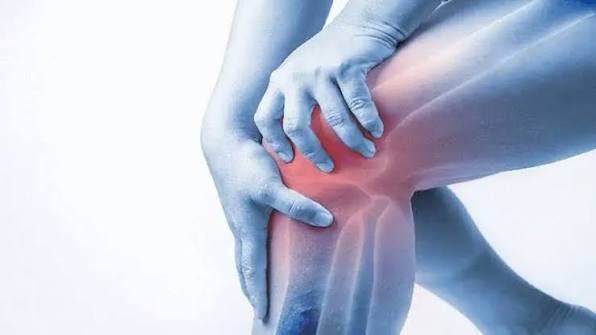
Gout occurs when urate crystals form in and around a joint and trigger sudden, intense inflammation. It can cause sudden and severe joint pain, often developing rapidly over several hours and sometimes beginning overnight.
The classic presentation is a single joint, most often the base of the big toe, becoming rapidly severely painful, swollen, red and warm, sometimes so tender that bedding cannot be tolerated on it. Other joints including the ankle, knee, wrist and fingers can be affected.
Both diagnosis and long-term management matter. Treating the acute attack settles the episode, but reducing the underlying urate level is what prevents recurrent attacks and the joint damage that repeated attacks cause over years. For patients with recurrent gout or other indications for long-term treatment, managing urate levels can help reduce future attacks and complications.
Injuries account for a large share of joint pain, particularly in younger and active people. These include sprains involving ligaments, strains involving muscles and tendons, sports injuries, and problems caused by repetitive movements at work or in training.
Previous fractures and trauma also matter years later, especially where the injury involved the joint surface or left the joint slightly out of alignment, both of which can accelerate later joint wear.
An injury-related joint problem needs assessment when you cannot bear weight, when the joint locks, catches or gives way, when swelling appears rapidly after the injury, or when symptoms have not improved over several weeks.
Pain arising from around the joint behaves differently from pain arising inside it. Joint pain tends to be felt deep and provoked by moving the joint through range. Tendon pain is typically reproduced when you resist a movement, and is often tender at one specific point.
Both usually respond well to activity modification and progressive loading rather than rest alone, which is why an accurate distinction from joint pathology is worth making early.
Infection inside a joint, known as septic arthritis, is uncommon but serious. Bacteria can reach the joint through the bloodstream, from a nearby infection, or following an injury or procedure.
Symptoms typically include severe pain, marked swelling, warmth and redness over the joint, inability to move it and fever or feeling generally unwell. It usually affects one joint.
Suspected joint infection requires urgent medical assessment, not a routine appointment. Delayed treatment can result in serious joint damage and other complications, which is why suspected joint infection requires urgent assessment. Anyone with a hot, swollen joint and fever should be assessed the same day, including people who already have gout or rheumatoid arthritis.
Joint pain can be one feature of a broader systemic condition. Lupus and other systemic autoimmune diseases commonly cause joint symptoms alongside fatigue, skin rashes, mouth ulcers, hair loss, fever or symptoms affecting other organs.
When joint pain arrives with symptoms elsewhere in the body, a broader medical assessment is appropriate rather than treating the joints in isolation. These conditions are diagnosed from a combination of clinical features and investigations, not from a single blood test.
This is the most informative part of the process, and it determines which tests are actually worth doing. Your doctor will typically ask:
Examination then assesses swelling, warmth, range of movement, stability and which specific structures reproduce the pain.
Blood tests are used when an inflammatory, autoimmune or infectious cause is suspected. They may include inflammatory markers such as CRP and ESR, rheumatoid factor, anti-CCP antibodies, and urate testing where gout is being considered.
Blood tests do not establish every diagnosis on their own. Inflammatory markers can be normal in early inflammatory arthritis, rheumatoid factor can be positive in people without rheumatoid arthritis, and urate levels can be normal during an acute gout attack. Results are interpreted alongside the clinical picture, which is also why referral for suspected persistent synovitis should not wait for blood results.
Imaging is chosen according to what is suspected rather than ordered routinely. Radiology and diagnostic services at Sheikh Sultan bin Zayed Hospital include:
Not every patient with joint pain needs a scan, and many need none at all. Osteoarthritis in particular is generally a clinical diagnosis, and scans commonly show age-related change in people with no symptoms.
Where a joint is swollen, fluid can be drawn from it with a needle and examined. This is the definitive way to distinguish two important possibilities: infection, identified by examining and culturing the fluid, and crystal arthritis such as gout, identified by seeing crystals under a microscope.
It is particularly valuable when a single joint is hot and swollen and the diagnosis is genuinely uncertain, because the treatment for infection and the treatment for a gout flare are very different.
Treatment depends on the cause, not simply the level of pain. Similar symptoms can have very different causes, which is why treatment should be based on an accurate diagnosis rather than pain severity alone.
Exercise is a core treatment for osteoarthritis and helps in many other joint conditions. Programmes typically combine strengthening for the muscles supporting the joint, mobility work to restore range of movement, and functional rehabilitation targeting the activities that have become difficult.
The programme should be matched to the condition and the person. Loading that helps a knee with osteoarthritis is not what a recently inflamed joint needs. Physiotherapy and rehabilitation at Sheikh Sultan bin Zayed Hospital includes musculoskeletal physiotherapy, exercise therapy, manual therapy and pain management programmes.
Options include pain-relieving medicines, anti-inflammatory medicines where appropriate, and treatments aimed at the specific condition once diagnosed, such as disease-modifying medication for inflammatory arthritis or urate-lowering treatment for gout.
Medication choice depends on your diagnosis, your other medical conditions, your kidney and stomach health and what else you take. Anti-inflammatories in particular are not suitable for everyone, which is why they should be discussed rather than assumed.
Injections may be considered for selected conditions, either to reduce inflammation or to help clarify where the pain is coming from. They are not appropriate for every type of joint pain, and are generally used alongside exercise and rehabilitation rather than instead of it.
Where excess weight is a factor, reducing load through the knees and hips can meaningfully improve symptoms and function, and NICE identifies weight management as a core treatment in osteoarthritis alongside exercise.
Weight management is relevant for some patients but is not a factor in every case. Joint pain occurs across all body weights, and inflammatory arthritis, gout, injury and tendon problems all have causes unrelated to weight.
Surgery is not usually the first option for joint pain. It becomes relevant when there is significant structural damage or instability and symptoms substantially affect quality of life despite appropriate non-surgical treatment.
NICE recommends considering referral for joint replacement in appropriate osteoarthritis when symptoms substantially affect quality of life and non-surgical management has been ineffective or is unsuitable. Joint replacement, arthroscopy, fracture care and spinal surgery are all provided by the Orthopedic and Spine department.
Book an assessment if:
Persistent inflammatory symptoms, particularly swelling in several joints with prolonged stiffness, generally need rheumatology assessment. Structural and injury-related problems generally need orthopaedic evaluation. Where the picture is unclear, internal medicine can assess broadly and direct you to the right pathway.
Seek urgent medical assessment if you have:
The most important of these is the hot, swollen joint with fever. It can indicate infection, and it should not be assumed to be gout or an arthritis flare even if you have had either before. Joint infection can damage cartilage within days, so same-day assessment matters. 24/7 emergency care is available at Sheikh Sultan bin Zayed Hospital.
For injuries, fractures, ligament and tendon problems, structural joint problems, mechanical symptoms such as locking or giving way, and advanced arthritis where surgery may eventually be considered.
For persistent joint swelling, several inflamed joints, prolonged morning stiffness, suspected rheumatoid arthritis, autoimmune and inflammatory joint conditions, and gout and other crystal arthritis.
For movement problems, strength and mobility limitations, rehabilitation after injury or surgery, functional recovery, and exercise-based management of conditions such as osteoarthritis and tendinopathy.
For initial assessment when the cause is unclear, when joint symptoms come with other symptoms suggesting a systemic condition, and for coordinating investigations and onward referral.
These are not competing choices. At Sheikh Sultan bin Zayed Hospital the Orthopedic and Spine, Rheumatology, Physiotherapy and Rehabilitation and Internal Medicine teams work together, so an assessment can move between them without starting a new pathway.
Some joint pain does. Minor sprains, short-lived overuse problems and joint aches during a viral illness commonly settle within days to a few weeks with sensible activity modification.
Persistent, recurrent or worsening pain is a different matter and should not be waited out indefinitely. Duration and pattern are what distinguish the two. Pain that is steadily improving week on week is usually reassuring. Pain that has plateaued, keeps returning or is spreading to other joints needs assessment.
Rest alone rarely resolves joint pain, and prolonged rest often makes matters worse by weakening the muscles that support the joint. In suspected inflammatory arthritis, early assessment is particularly important because timely treatment can help reduce inflammation and limit long-term joint damage.
Joint pain has many possible causes, and the appropriate treatment depends entirely on identifying which one applies. The same swollen knee can need exercise, medication, urgent antibiotics or surgical assessment, and only an examination and the right investigations can tell them apart.
Sheikh Sultan bin Zayed Hospital assesses joint pain across Orthopedics and Spine, Rheumatology, Physiotherapy and Rehabilitation and Internal Medicine, with radiology and diagnostic services on site. Assessment covers clinical examination, appropriate diagnostic testing and a treatment plan matched to your diagnosis and your goals.
Located in Al Batayeh and serving communities across the Northern Emirates. Call 800 642 or book an appointment online. You can also view our doctors and medical staff or check insurance coverage before booking.
This article is intended for general information only and does not constitute medical advice. It is not a substitute for an individual assessment by a qualified healthcare professional. If you have a hot, swollen or red joint accompanied by fever, seek urgent medical assessment rather than waiting for a routine appointment.
Medically reviewed by: Dr. Osama Gharsaa, Consultant, Orthopedic Surgeon, Sheikh Sultan Bin Zayed Hospital
Qualifications: Fellow of the Royal College of Physicians and Surgeons of Canada, Member of the American Academy of Orthopaedic Surgeons
Don’t wait, early diagnosis can make a life-changing difference. Book your appointment today and get the expert care you deserve.
Osteoarthritis is a common cause of persistent joint pain in adults, particularly in the knees, hips and hands. Injuries and overuse are also common causes, particularly in younger and more active people.
Pain without swelling often points to osteoarthritis, tendon problems, bursitis or pain referred from elsewhere, such as a hip problem felt at the knee. Inflammatory arthritis usually, though not always, produces visible swelling, so its absence makes that less likely without excluding it.
Several joints hurting at once raises the possibility of inflammatory arthritis, an autoimmune condition, osteoarthritis affecting multiple joints, or a viral or systemic illness. Swelling and prolonged morning stiffness in several joints should be assessed without delay.
Brief stiffness easing within about half an hour is common in osteoarthritis and after inactivity. Stiffness lasting well beyond half an hour, especially with swelling in several joints, is more suggestive of inflammatory arthritis and warrants assessment.
Yes, frequently. Tendinopathy, bursitis, ligament injury, previous fractures and referred pain from another joint or the spine all cause pain felt at a joint. Identifying the true source matters because the treatments are different.
Minor injuries, short-term overuse problems and joint aches during a viral illness often settle within days to weeks. Pain that persists, recurs or worsens should be assessed, and rest alone rarely resolves ongoing joint pain.
When several joints are painful or swollen, when morning stiffness is prolonged, when swelling keeps returning, or when inflammatory arthritis, gout or an autoimmune condition is suspected. Suspected persistent synovitis warrants prompt referral rather than a period of watchful waiting.
For pain following an injury, suspected fracture, ligament or tendon problems, mechanical symptoms such as locking or giving way, and for advanced arthritis where surgery may eventually be considered.
The history and examination come first and determine what else is needed. Blood tests may include inflammatory markers, rheumatoid factor, anti-CCP antibodies and urate. Imaging may include X-ray, ultrasound or MRI. Joint fluid analysis is used where infection or crystal arthritis is suspected.
Seek urgent care for a hot, swollen or red joint with fever, sudden severe joint pain, rapidly increasing swelling, inability to bear weight after significant injury, visible deformity, or new numbness or a pale, cold limb.
Conveniently located in Al Batayeh, Sharjah, Sheikh Sultan bin Zayed Hospital is easily accessible and serves communities across the Northern Emirates.
We are committed to providing world-class care to every patient we serve.
We welcome your feedback! Please let us know if you have any compliments, suggestions or concerns about our services.
Please contact us if you have any questions or would like more information.


