
Media Center
Blogs
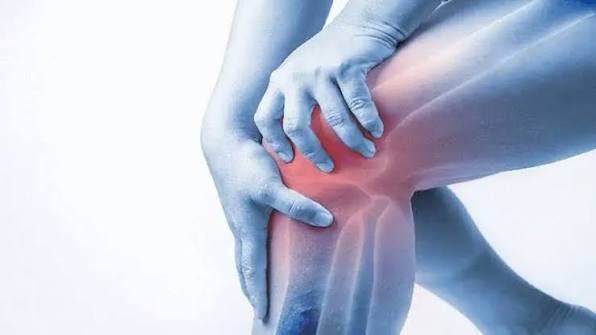
Joint pain is a common condition that can affect people of all ages. While occasional discomfort may result from overuse or minor injuries, persistent joint pain can be a sign of an underlying medical condition that requires professional assessment. Understanding the joint pain causes is the first step towards finding the right treatment and preventing long-term joint damage.
Key Takeaways

Joints connect bones and allow smooth movement throughout the body. Pain can develop when the cartilage, ligaments, tendons, muscles, or surrounding tissues become injured or inflamed.
Some of the most common joint pain causes include:
In some cases, pain may affect a single joint, while others experience pain in multiple joints throughout the body.
Joint pain may be accompanied by:
Your specialist will review your symptoms, medical history, and perform a physical examination. Depending on your condition, blood tests, X-rays, ultrasound, MRI scans, or joint fluid analysis may be recommended to determine the underlying cause.
An accurate diagnosis allows treatment to be tailored to your specific condition rather than simply treating the pain.
Treatment depends on the diagnosis and may include:
Not all joint pain is caused by arthritis. Similar symptoms may result from tendon injuries, infections, autoimmune diseases, or nerve conditions. Identifying the exact cause allows your specialist to recommend the most effective treatment while helping prevent further joint damage and disability.
You should seek medical advice if:
At Sheikh Sultan bin Zayed Hospital, our Orthopaedics, Rheumatology, Physiotherapy & Rehabilitation, and Internal Medicine teams work together to diagnose and manage a wide range of joint conditions. Using advanced diagnostic tools and personalised treatment plans, we help patients reduce pain, restore mobility, and improve their quality of life.
To book an appointment, call 800 642.
Don’t wait, early diagnosis can make a life-changing difference. Book your appointment today and get the expert care you deserve.
Osteoarthritis is one of the most common causes, particularly in older adults, although many other conditions can also cause joint pain.
Minor injuries may improve with rest, but persistent pain should be evaluated by a healthcare professional.
If pain is severe, persistent, associated with swelling, redness, fever, or limits your movement, you should seek medical attention.
Yes. Physiotherapy helps improve strength, flexibility, joint function, and pain management for many joint conditions.
No. Most patients improve with conservative treatment. Surgery is usually reserved for advanced joint damage or when other treatments are no longer effective.
Conveniently located in Al Batayeh, Sharjah, Sheikh Sultan bin Zayed Hospital is easily accessible and serves communities across the Northern Emirates.
We are committed to providing world-class care to every patient we serve.
We welcome your feedback! Please let us know if you have any compliments, suggestions or concerns about our services.
Please contact us if you have any questions or would like more information.


