
Media Center
Blogs
Persistent knee pain can make simple activities such as walking, climbing stairs, or getting out of a chair difficult. While many patients improve with medication, physiotherapy, or injections, some eventually require knee replacement surgery to restore mobility and improve their quality of life. Modern surgical techniques have made the procedure safer, more precise, and highly successful, allowing many patients to return to an active lifestyle with significantly less pain.
Key Takeaways
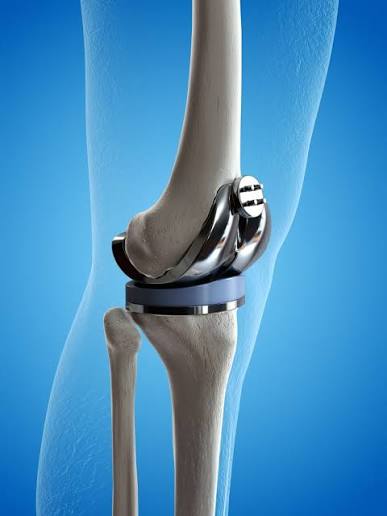
Knee replacement surgery, also known as knee arthroplasty, is a procedure that removes damaged cartilage and bone from the knee joint and replaces them with specially designed artificial components. The goal is to relieve pain, improve movement, and restore normal function when non-surgical treatments are no longer effective.
Depending on the condition of the knee, your surgeon may recommend a total or partial knee replacement.
You may benefit from specialist assessment if you experience:
Your orthopaedic specialist will review your symptoms, medical history, and activity level before examining your knee. X-rays are usually performed to assess joint damage, while MRI scans or additional imaging may be requested in selected cases. Together, these findings help determine whether surgery or continued conservative treatment is the most suitable option.
Not everyone with knee pain requires surgery. Treatment may include:
If these treatments no longer relieve symptoms and knee damage significantly affects your quality of life, knee replacement surgery may be recommended.
Knee pain can result from osteoarthritis, rheumatoid arthritis, ligament injuries, meniscus tears, or other conditions. An accurate diagnosis ensures patients receive the right treatment and avoids unnecessary surgery when conservative management may still be effective.
You should consult an orthopaedic specialist if:
At Sheikh Sultan bin Zayed Hospital, our Orthopaedic team provides comprehensive assessment and advanced knee replacement surgery using modern surgical techniques and personalised rehabilitation programmes. From diagnosis through recovery, our multidisciplinary team works closely with each patient to restore mobility, reduce pain, and help them return to an active lifestyle.
To book an appointment, call 800 642.
Don’t wait, early diagnosis can make a life-changing difference. Book your appointment today and get the expert care you deserve.
Most procedures take between one and two hours, depending on the complexity of the surgery.
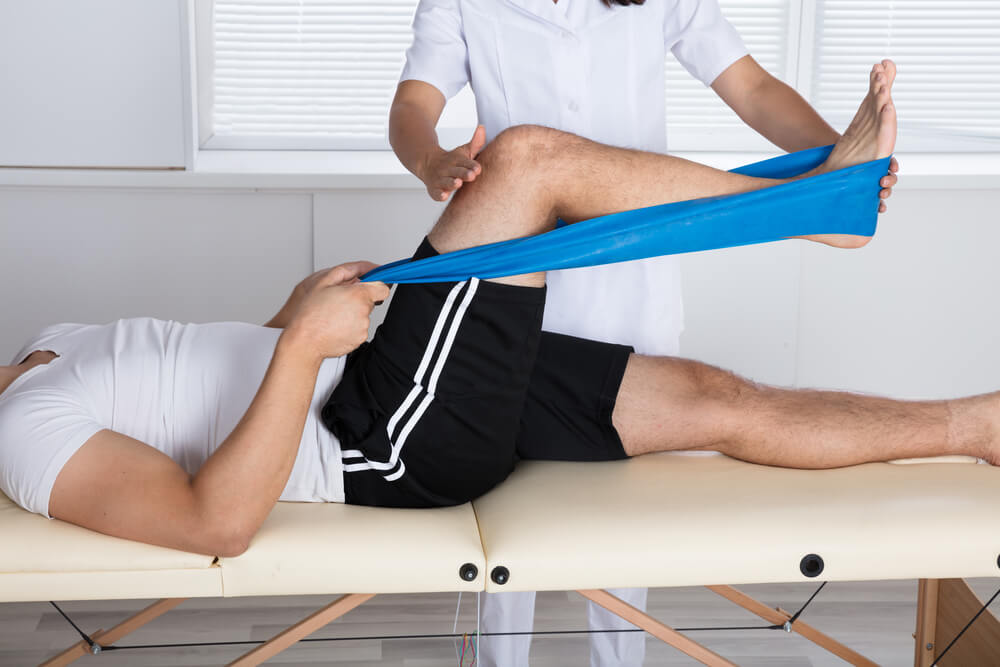
Many patients begin walking within a day after surgery, while full recovery typically takes several months with physiotherapy.
Modern knee implants often last 15–20 years or longer, depending on activity level and overall health.
Pain is carefully managed using modern anaesthesia and rehabilitation techniques. Most patients report significant pain relief once they recover.
When knee pain persists despite physiotherapy, medication, and other non-surgical treatments, and significantly affects your quality of life.
Conveniently located in Al Batayeh, Sharjah, Sheikh Sultan bin Zayed Hospital is easily accessible and serves communities across the Northern Emirates.
We are committed to providing world-class care to every patient we serve.
We welcome your feedback! Please let us know if you have any compliments, suggestions or concerns about our services.
Please contact us if you have any questions or would like more information.


