
Media Center
Blogs
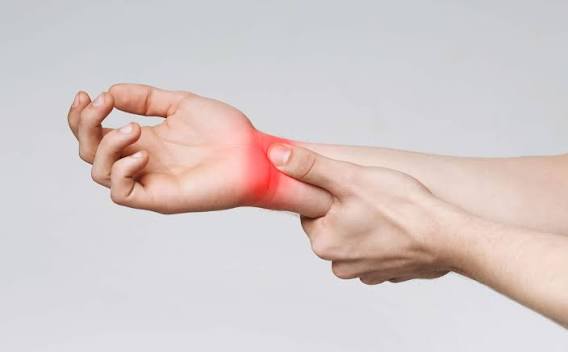
Carpal tunnel syndrome happens when the median nerve is compressed as it passes through a narrow channel at the wrist. The usual experience is numbness, tingling, pain or weakness in the hand, and for most people it is worst at night: waking with a numb, tingling or burning hand and shaking it to relieve the symptoms.
Those symptoms are not unique to carpal tunnel syndrome. A pinched nerve in the neck, nerve damage from diabetes, and tendon or joint problems in the wrist can all produce something similar, and they are treated in completely different ways. An accurate diagnosis helps determine whether a splint, injection, rehabilitation or surgery is the most appropriate next step.
If you read nothing else, read this, then speak to one of our specialists.
| Suggests carpal tunnel syndrome | Suggests another cause | |
|---|---|---|
| Where the numbness is | Thumb, index, middle and half the ring finger | Little finger, whole hand, or above the wrist |
| When it is worst | At night, waking you from sleep | Constant, or clearly linked to neck movement |
| One or both hands | Either; both hands is common | Both hands and both feet suggests peripheral neuropathy |
| Associated symptoms | Weak grip, dropping objects, relief on shaking the hand | Neck or shoulder pain, arm pain, symptoms elsewhere in the body |
| Typical first treatment | Night wrist splint and activity modification | Depends entirely on the underlying diagnosis |
The most common symptoms are:
Symptoms can affect one hand or both. Both hands being involved is common and does not make carpal tunnel syndrome less likely, though it does raise the question of whether an underlying condition is contributing.
Early on, symptoms tend to come and go. Over time they become more frequent, last longer, and begin to appear during the day as well as at night.
The characteristic feature is where the numbness sits. The median nerve supplies sensation to the thumb, index, middle and half of the ring finger, so symptoms follow that distribution. Numbness in the little finger is supplied by a different nerve and points away from carpal tunnel syndrome.
There is a further detail that clinicians use. The nerve branch supplying the palm splits off before the carpal tunnel, so in carpal tunnel syndrome the palm itself is often spared while the fingers are affected. Numbness involving the palm or extending beyond the typical median nerve distribution may suggest another or additional cause and should be assessed clinically.
Night-time numbness and tingling are common features of carpal tunnel syndrome, although symptoms and their timing can vary between individuals. During sleep the wrist naturally bends, and bending raises pressure inside the tunnel. Fluid also redistributes when lying flat. That is why people wake with a numb hand and find that shaking it out brings relief.
Persistent numbness, weakness or muscle wasting may indicate more significant or prolonged nerve compression. Persistent numbness that no longer comes and goes, difficulty pinching or gripping, and visible thinning of the muscle bulk at the base of the thumb all suggest the nerve has been compressed for some time. These features should prompt assessment rather than a further period of waiting.
That said, hand numbness does not automatically mean carpal tunnel syndrome, which is what the next section addresses.
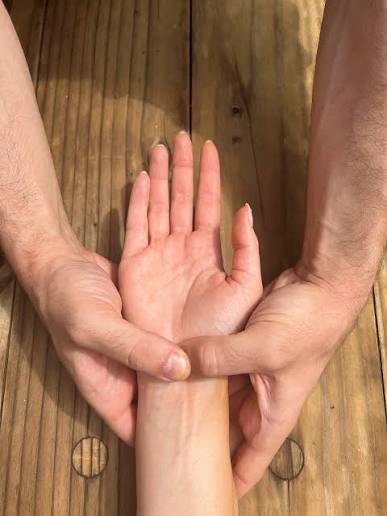
Nerve roots leaving the neck travel down the arm to the hand, so compression in the cervical spine can produce numbness and tingling in the fingers. This is called cervical radiculopathy.
Features that point towards the neck rather than the wrist include neck or shoulder blade pain, symptoms that extend above the wrist into the forearm, upper arm or shoulder, symptoms that change with neck position, and weakness in muscles above the hand.
Distribution again matters. Carpal tunnel symptoms stop at a defined boundary in the hand. Radiculopathy tends to follow a band down the arm. The two can also coexist, which is one reason a careful examination is worth more than assuming the obvious answer.
Peripheral neuropathy is damage to the nerves themselves rather than compression at a single point. It can cause numbness, tingling or burning, often beginning in the feet and sometimes progressing to involve the hands.
Diabetes is a common cause of peripheral neuropathy, while thyroid disorders, vitamin deficiencies and some medications may also contribute. People with diabetes are also more likely to develop carpal tunnel syndrome, so the two can occur together in the same patient.
Symptoms affecting both hands together with the feet, or accompanied by symptoms elsewhere in the body, warrant a broader assessment through neurology or internal medicine rather than treatment aimed at the wrist alone.
Osteoarthritis at the base of the thumb, tendon problems such as De Quervain’s tenosynovitis, and trigger finger all cause hand and wrist symptoms, and all can coexist with carpal tunnel syndrome.
The distinguishing feature is the type of symptom. Arthritis and tendon problems typically cause pain, stiffness, swelling and catching, and are provoked by specific movements. Numbness and tingling are more suggestive of nerve involvement than an isolated joint or tendon problem.
This matters practically, because someone with thumb base arthritis and carpal tunnel syndrome together may need both treated, and both conditions may need to be addressed to achieve the best overall improvement in symptoms and function.
Not every case of hand numbness is carpal tunnel syndrome, and the treatments diverge sharply. A night splint helps carpal tunnel syndrome and does nothing for a cervical nerve root problem. Carpal tunnel release relieves pressure at the wrist and will not improve numbness caused by diabetic neuropathy.
Establishing where the problem actually is determines whether splinting, activity modification, rehabilitation, injection, surgery or management of an underlying medical condition is the right route.
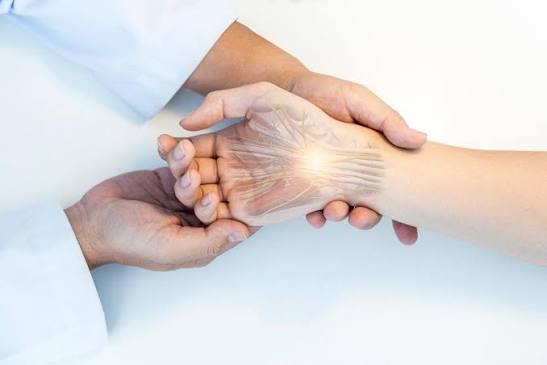
The carpal tunnel is a narrow passage at the wrist, bounded by the wrist bones and a firm band of tissue called the transverse carpal ligament. The median nerve passes through it alongside the tendons that bend the fingers. Anything that increases pressure inside that fixed space compresses the nerve.
Factors associated with carpal tunnel syndrome include:
In many cases no single cause is identifiable. People often want to know what they did to bring it on, and frequently the honest answer is that a combination of anatomy and general factors made the tunnel tight, rather than one activity being to blame.
Having a risk factor does not mean you will develop carpal tunnel syndrome, and plenty of people develop it with none of them. Risk factors are useful for identifying what might be contributing and what could be modified, not for predicting who will be affected.
Assessment starts with your symptoms: which fingers are affected, whether symptoms wake you, what provokes them, how long they have been present and whether grip or dexterity has changed.
Examination then maps the distribution of numbness precisely, tests grip and thumb strength, looks for muscle wasting at the base of the thumb, examines the wrist and hand for other causes, and includes specific tests that provoke median nerve symptoms. The neck and the rest of the arm are usually examined too, since the aim is as much to exclude other causes as to confirm this one.
Many cases can be diagnosed from the symptoms and examination alone. Structured clinical tools exist to make that assessment consistent, and CTS-6 is the most widely used, scoring a set of clinical findings to give a probability of carpal tunnel syndrome.
The 2024 AAOS guideline supports a more selective approach to diagnostic testing and states that CTS-6 can be used in place of routine ultrasound or nerve conduction and EMG testing in appropriate adults. In practice this means a clear-cut case does not automatically require nerve testing before treatment begins.
Nerve conduction studies measure how quickly and how strongly electrical signals travel along the nerve. Electromyography, or EMG, assesses the electrical activity of muscles supplied by the nerve.
These tests are most useful when the diagnosis is uncertain, when another neurological condition is suspected, when symptoms affect both hands alongside other areas, or when the severity of nerve involvement needs objective assessment, including selected cases where surgery is being considered. They give information about how much nerve function has been affected, which can help set expectations for recovery.
Ultrasound can visualise the median nerve and may be useful in selected cases, for example where a cyst or another space-occupying cause is suspected, or to guide an injection.
MRI is not routinely required to diagnose carpal tunnel syndrome. Additional imaging is considered when another condition is suspected, such as a neck problem contributing to the symptoms. Radiology and diagnostic services are available on site where imaging is indicated.
Mild cases can improve, particularly when treated early and when an aggravating factor can be changed. Night splinting, modifying activities that provoke symptoms and addressing relevant underlying medical conditions may help manage mild symptoms.
Symptoms also naturally fluctuate. Many people have periods of weeks or months where the hand feels normal, followed by a return of night symptoms. That variability makes it easy to conclude the problem has resolved when the underlying compression has not.
Carpal tunnel syndrome in pregnancy is a particular case. It is often related to fluid retention and commonly improves after delivery, so treatment during pregnancy is usually conservative, with splinting as the mainstay.
What should not simply be ignored is persistent nerve compression. Numbness that has become constant rather than intermittent, or any weakness in the hand, indicates the nerve is under sustained pressure. At this stage, prompt assessment is important because recovery may be slower or less complete when significant nerve compression has been present for a prolonged period.
A wrist splint that maintains a neutral position is commonly recommended as an initial treatment for mild to moderate symptoms. Because pressure inside the tunnel rises when the wrist bends, keeping it straight reduces the compression on the nerve.
Splints are usually worn at night, since that is when the wrist bends unconsciously and symptoms are worst. Daytime use can help for specific aggravating tasks, but continuous daytime splinting is generally avoided because it limits normal hand use.
Where a specific activity reliably provokes symptoms, adjusting it helps. That may mean changing grip, reducing sustained force, taking regular breaks from repetitive tasks, or altering tool or workstation setup so the wrist stays closer to neutral.
Although computer use is often associated with hand and wrist symptoms, evidence that ordinary typing alone causes carpal tunnel syndrome is limited. Activities involving forceful gripping, vibration or sustained repetitive force may have stronger associations. Forceful gripping, vibrating tools and heavy repetitive manual work have far stronger associations. Ergonomic adjustment is still worthwhile, but attributing every case to a keyboard misdirects attention.
Selected exercises, including nerve and tendon gliding techniques, may help maintain movement and reduce symptoms in some patients. Rehabilitation also addresses grip strength, hand function and the mechanics of aggravating activities, and has a clear role after surgery. Physiotherapy and rehabilitation at Sheikh Sultan bin Zayed Hospital includes hand and upper extremity rehabilitation.
Treatment should be individualised. Exercise and rehabilitation should be tailored to the individual following appropriate assessment, particularly when symptoms are persistent or severe.
An injection of corticosteroid into the carpal tunnel can reduce inflammation and provide symptom relief in selected patients, An injection of corticosteroid into the carpal tunnel may provide temporary symptom relief in selected patients.
It is not a long-term solution. The 2024 AAOS guideline states that corticosteroid injection does not provide long-term improvement of carpal tunnel syndrome. Injection is therefore best understood as a way of gaining temporary relief, managing symptoms during pregnancy, or bridging the period before a decision about surgery, rather than as definitive treatment.
Surgery is considered when:
The principle behind the operation is simple. The carpal tunnel is a fixed space, and the nerve is being squeezed within it. Carpal tunnel release involves cutting the transverse carpal ligament that forms the roof of the tunnel, which increases the space available and relieves the pressure on the median nerve.
An important point about timing: Surgery relieves pressure on the median nerve, but recovery may be incomplete when significant nerve damage has developed after prolonged compression. Where numbness has been constant for a long time or the thumb muscles have wasted, symptoms usually improve after surgery but may not return entirely to normal. This is why progressive weakness, persistent numbness or muscle wasting should prompt timely specialist assessment.
Carpal tunnel release is performed in two main ways.
Both achieve the same objective: dividing the ligament to release pressure on the median nerve. The 2024 AAOS guideline found no difference in patient-reported outcomes between mini-open and endoscopic carpal tunnel release, so neither approach is universally better. The choice depends on your anatomy, any previous surgery, other conditions in the hand and your surgeon’s assessment.
Carpal tunnel release can be performed using different anaesthetic approaches. The most appropriate option depends on the surgical technique, your individual circumstances and the clinical team's recommendation. The procedure itself is typically short and performed as a day case.
Carpal tunnel release and other hand and wrist procedures are provided by the Orthopedic and Spine department at Sheikh Sultan bin Zayed Hospital.
Recovery varies between individuals and depends heavily on how long the nerve was compressed beforehand.
Where compression has been long-standing, particularly with constant numbness or thumb muscle wasting, improvement can take considerably longer and may be incomplete. This does not necessarily indicate that surgery has been unsuccessful and should be discussed before the procedure so that expectations are realistic.
Following post-operative instructions matters more than people assume. Early gentle movement helps prevent stiffness and scar tethering, while returning to heavy use too soon can prolong pain around the wound.
Untreated carpal tunnel syndrome does not always progress, and some people have mild intermittent symptoms for years without deterioration. Where it does progress, the pattern is:
The practical message is not that every case becomes severe, because most do not. It is that persistent neurological symptoms deserve assessment rather than tolerance, because earlier assessment may help identify significant nerve compression before long-term changes develop.
There is no guaranteed way to prevent carpal tunnel syndrome, since anatomy and general medical factors play a substantial part and neither is fully within anyone’s control. Where diabetes or a thyroid disorder is contributing, management through diabetes and endocrinology addresses a genuine underlying factor rather than the symptom alone.
Arrange an assessment if:
Early assessment is worth having for two reasons. It distinguishes carpal tunnel syndrome from other neurological and musculoskeletal causes, and it may identify significant nerve compression before long-term nerve changes develop, when earlier treatment may offer a better opportunity for recovery.
For assessment of wrist and hand conditions, non-surgical management including splinting and injection, and carpal tunnel release where surgery is indicated. Also the right route where thumb base arthritis, tendon problems or a previous wrist injury may be contributing.
For assessment where symptoms may have another neurological cause, where the diagnosis is uncertain, where symptoms affect both hands and feet or other parts of the body, and for nerve conduction studies and EMG.
For rehabilitation, hand and wrist function, activity and ergonomic modification, selected exercise programmes, and recovery after surgery.
The right specialist depends on your symptoms and what the assessment finds. At Sheikh Sultan bin Zayed Hospital, Orthopedics, Neurology and Physiotherapy and Rehabilitation work together, so an assessment can move between them without you starting a new pathway.
Numbness, tingling and weakness in the hand can come from the wrist, the neck, the nerves themselves or an underlying medical condition. Identifying which applies is what determines whether a splint, rehabilitation, an injection or surgery is appropriate, and an accurate diagnosis helps ensure that treatment is directed at the underlying cause.
Sheikh Sultan bin Zayed Hospital provides assessment across Orthopedics and Spine, Neurology and Physiotherapy and Rehabilitation, with radiology and diagnostic services on site. Both conservative treatment and carpal tunnel release are available where clinically appropriate, following a proper diagnostic assessment rather than ahead of one.
Located in Al Batayeh and serving communities across the Northern Emirates. Call 800 642 or book an appointment online. You can also view our doctors and medical staff or check insurance coverage before booking.
This article is intended for general information only and does not constitute medical advice. It is not a substitute for an individual assessment by a qualified healthcare professional. If you have persistent numbness, weakness in the hand, or wasting of the muscles at the base of the thumb, seek medical assessment rather than waiting for symptoms to settle.
Medically reviewed by: Dr. Osama Gharsaa, Consultant, Orthopedic Surgeon, Sheikh Sultan Bin Zayed Hospital
Qualifications: Fellow of the Royal College of Physicians and Surgeons of Canada, Member of the American Academy of Orthopaedic Surgeons
Don’t wait, early diagnosis can make a life-changing difference. Book your appointment today and get the expert care you deserve.
Usually intermittent numbness or tingling in the thumb, index, middle and half the ring finger, worse at night and often relieved by shaking the hand. Early symptoms come and go, then become more frequent and start appearing during the day.
Mild cases can improve, particularly with a night splint and by changing aggravating activities, and pregnancy-related cases often settle after delivery. Symptoms also fluctuate naturally. Constant numbness or weakness indicates ongoing compression and should be assessed rather than waited out.
Yes, and this is common. Both hands being affected does not make the diagnosis less likely, though it does raise the question of whether an underlying condition such as diabetes or a thyroid disorder is contributing. Symptoms affecting both hands and both feet may suggest peripheral neuropathy or another neurological condition and warrant broader assessment.
The evidence linking ordinary computer use to carpal tunnel syndrome is weak. Forceful gripping, vibrating tools and heavy repetitive manual work have much stronger associations. Ergonomic adjustment is still sensible, but typing is not the usual cause.
Not always. The 2024 AAOS guideline supports a selective approach and states that the CTS-6 clinical tool can be used in place of routine ultrasound or nerve conduction and EMG testing in appropriate adults. Testing is most useful where the diagnosis is uncertain or severity needs objective assessment.
Yes, and it is the usual first treatment for mild to moderate cases. A splint holding the wrist straight reduces pressure inside the carpal tunnel. It is generally worn at night, when the wrist bends unconsciously and symptoms are worst.
When symptoms are severe, persist despite appropriate non-surgical treatment, or come with significant or progressive weakness or evidence of nerve damage, and when symptoms substantially affect sleep, work or daily activities. Surgery divides the transverse carpal ligament to create more space for the nerve.
The wound usually heals over a couple of weeks, and night symptoms often improve quickly. Grip strength commonly takes a few months to return fully. Recovery is slower and may be incomplete where the nerve was compressed for a long time before surgery.
It does not always progress, but where it does, numbness becomes constant, grip weakens, fine hand tasks become difficult, and the muscles at the base of the thumb can waste. Prolonged compression can leave nerve recovery incomplete even after treatment.
Prolonged severe compression can cause changes that do not fully reverse, which is why constant numbness or thumb muscle wasting should prompt assessment rather than further waiting. Surgery relieves the pressure but cannot undo damage that has already occurred.
Conveniently located in Al Batayeh, Sharjah, Sheikh Sultan bin Zayed Hospital is easily accessible and serves communities across the Northern Emirates.
We are committed to providing world-class care to every patient we serve.
We welcome your feedback! Please let us know if you have any compliments, suggestions or concerns about our services.
Please contact us if you have any questions or would like more information.


