
Media Center
Blogs
Back pain is one of the most common reasons people stop doing things they would otherwise do: lifting a child, praying comfortably, sitting through a long drive across the Northern Emirates, or getting through a shift on their feet. In many cases, back pain is related to muscles, joints or movement and is not caused by a serious underlying condition. Appropriate activity and rehabilitation can often support recovery.
Physiotherapy can be an effective treatment for many types of back pain. It is not the right answer for every case, and a small number of presentations need medical assessment before any rehabilitation begins. Knowing which is which is the useful part.
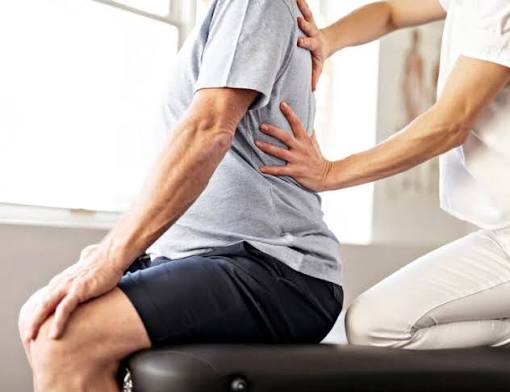
If you read nothing else, read this, then speak to one of our physiotherapists.
| Physiotherapy is usually appropriate | Seek medical assessment first | |
|---|---|---|
| Type of pain | Muscle-related, movement-related, recurrent or post-injury pain | Pain after significant trauma, or with fever or unexplained weight loss |
| Nerve symptoms | Leg pain with no significant or progressive neurological symptoms → Physiotherapy may be appropriate following assessment | Progressive weakness, spreading numbness, or saddle numbness |
| Duration | Acute pain limiting activity, or persistent pain over weeks or months | Pain that is severe and rapidly worsening |
| Imaging needed first | No, in most cases | Where a specific condition is suspected and the result would change treatment |
| Main goal | Restore movement, strength and confidence | Establish the diagnosis before rehabilitation begins |
For many types of back pain, yes. Physiotherapy is a commonly recommended non-surgical treatment, particularly for uncomplicated mechanical and movement-related back pain.
It works through a combination of exercise therapy, movement rehabilitation, education about what is happening and why, and hands-on treatment where that is clinically appropriate. The emphasis is on active treatment rather than passive treatment, because what changes outcomes over months is what you are able to do, not what is done to you in a clinic room.
How much it helps and which techniques are used depend on the underlying problem and on you: how long the pain has been present, how much it has affected your activity, what your work involves and what you are trying to get back to. Two patients with identical scans can need quite different programmes.
The goal is function rather than pain relief alone. The goal is not only to reduce pain, but also to improve movement, strength, confidence and the ability to return to everyday activities.
Physiotherapy is used across a wide range of presentations, including:
These should not be treated identically. A first episode of acute strain in an active thirty-year-old and five years of persistent pain in someone who has stopped exercising need different programmes, even when the pain is in the same place.

Exercise is the foundation of treatment. A programme typically includes strengthening for the muscles supporting the spine, hips and trunk, mobility and flexibility work to restore range of movement, and trunk and core strengthening where the assessment indicates it is needed.
The important principle is graded progression. Loads start at a level your back tolerates and increase as capacity improves, building towards the activities you actually need to do rather than stopping at generic exercises.
Part of treatment is identifying what is aggravating the problem. That might be a specific movement pattern, a habitual position, a workstation setup, prolonged driving, or a training routine that increased too quickly.
Education also addresses what the pain means. Understanding that ordinary back pain is common, rarely dangerous and usually improves reduces the fear that leads people to avoid movement. Understanding back pain can also help reduce fear of movement and encourage a safe, gradual return to normal activities.
Hands-on techniques such as joint mobilisation and soft tissue work may help reduce pain or improve movement for some patients in the short term.
Manual therapy is used alongside active rehabilitation rather than as a treatment on its own. Hands-on work that is never accompanied by exercise tends to produce temporary relief and repeat visits rather than lasting change.
What happens between appointments is an important part of rehabilitation. A programme performed consistently at home is what builds strength and mobility; the clinic session sets direction and checks progress.
Self-management also builds confidence with movement, which is a genuine treatment outcome rather than a soft one. Building confidence with bending, lifting and everyday movement can support recovery and a gradual return to normal activities.
Sciatica describes symptoms caused by irritation or compression of nerve roots in the lower spine that contribute to the sciatic nerve. It is a description of a symptom pattern rather than a diagnosis in itself.
Typical symptoms are pain radiating from the lower back into the buttock and down the leg, sometimes below the knee, often with pins and needles, numbness or a feeling of weakness in the affected leg.
Physiotherapy is commonly used in management. Treatment may focus on maintaining or restoring movement, improving strength and gradually rebuilding tolerance for activities such as sitting, standing and walking. Many cases improve over weeks to months with this approach.
Severity and neurological symptoms change the picture. Mild, stable leg symptoms are usually managed conservatively. Weakness that is getting worse, numbness that is spreading, or symptoms in both legs need medical assessment rather than continued rehabilitation, because those features can indicate significant nerve compression.
Where the picture is complex or neurological symptoms are progressing, the physiotherapy team at Sheikh Sultan bin Zayed Hospital works alongside Orthopedics and Spine and Neurology so that assessment can escalate without you starting a new pathway.
Many episodes of acute back pain improve over the following weeks. Staying appropriately active within tolerance is generally recommended rather than prolonged bed rest.
Physiotherapy is worth involving early when pain is significantly limiting movement or daily activities, when you are unsure what is safe to do, or when the episode is one of a repeating pattern. Early guidance can help patients understand what activities are safe and support a gradual return to normal movement and function.
Pain lasting beyond about three months usually needs a broader approach than an exercise sheet. Persistent back pain can be influenced by several factors, including physical capacity, activity levels, sleep, movement confidence and other individual circumstances.
Rehabilitation therefore addresses:
World Health Organization guidance on chronic primary low back pain in adults supports this direction, recommending a person-centred, non-surgical approach built around education, structured exercise and physical therapies rather than reaching first for imaging, injections or surgery.
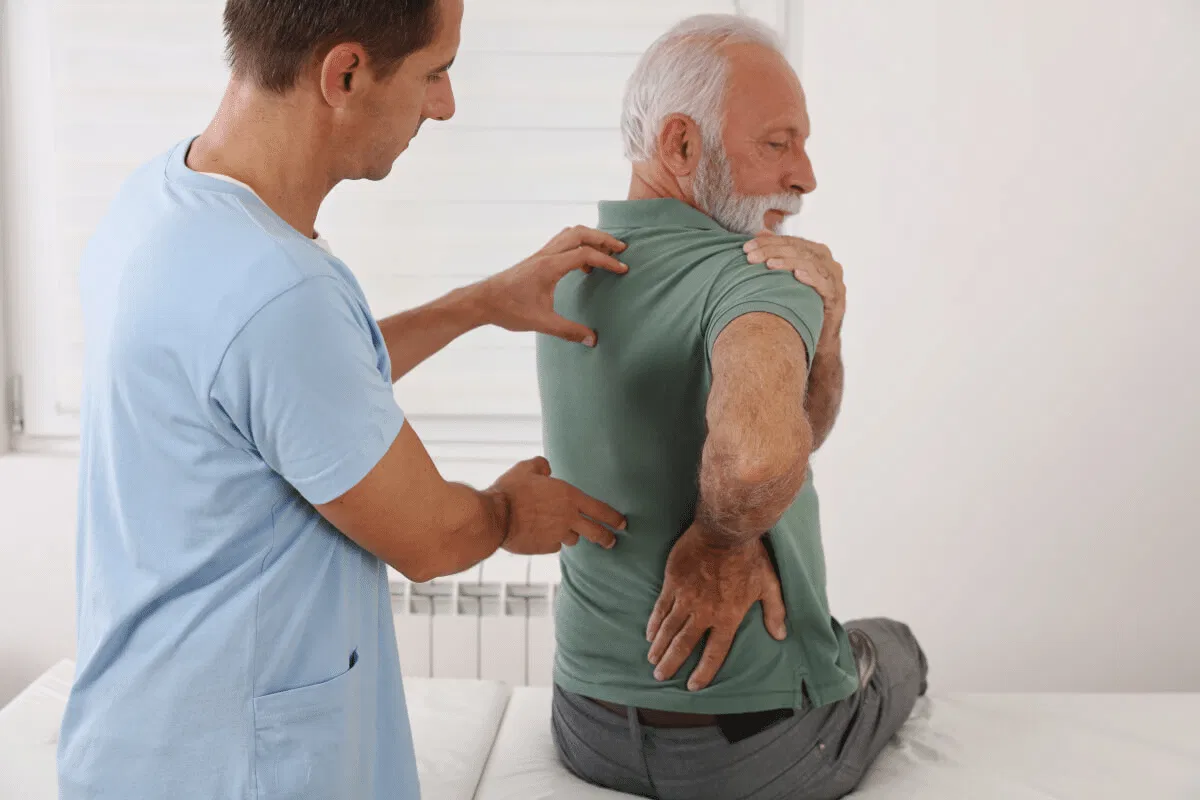
A first appointment is mostly assessment. It typically covers:
The Physiotherapy and Rehabilitation department at Sheikh Sultan bin Zayed Hospital includes functional movement assessment, musculoskeletal evaluation, gait and balance assessment and personalised rehabilitation planning as part of this process.
No, not in most cases. Imaging is not routinely required for uncomplicated low back pain, and you do not need a scan before seeing a physiotherapist.
NICE guidance recommends against routinely offering imaging for low back pain, with or without sciatica, in non-specialist settings unless the result is likely to change management. There is a practical reason for this. Scans of the spine frequently show age-related changes such as disc degeneration in people with no pain at all, so a scan taken without a clinical question often produces findings that are incidental rather than causative, and some imaging findings may not be responsible for the patient's symptoms and therefore need to be interpreted alongside the clinical assessment.
Imaging is appropriate when a specific condition is suspected, when there are concerning symptoms, or when surgery or injection is being considered and the result would guide it.
Your physiotherapist or doctor can determine whether further assessment or imaging is needed. Where it is indicated, radiology and diagnostic services are available on site.
There is no universal number of sessions. Some patients improve substantially within a few weeks; persistent back pain of long standing often needs a programme measured in months.
The factors that most influence how long it takes are:
Progress should be judged by change in pain, movement and function, not by how many appointments have been used. A useful review question is whether you can do more than you could a month ago, not whether the pain has gone entirely.
One caution worth stating plainly: exercises should be matched to your condition, Exercises should ideally be matched to your symptoms, physical abilities and rehabilitation goals following an appropriate assessment.
Physiotherapy and medical care are not competing options. They work together, and there are situations where medical assessment should come first or run alongside rehabilitation.
Seek further medical assessment if:
Depending on what is found, that may involve Orthopedics and Spine, Rheumatology where inflammatory disease is suspected, or pain management for persistent pain that has not responded to rehabilitation alone.
Seek immediate medical care if you develop any of the following:
These symptoms need urgent evaluation rather than a routine physiotherapy appointment. The combination of bladder or bowel changes with saddle numbness and leg weakness can indicate serious compression of the nerves at the base of the spine, which is time-critical. 24/7 emergency care is available at Sheikh Sultan bin Zayed Hospital.
Recurrence is common, and reducing it is a legitimate treatment goal rather than an optional extra.
The right treatment depends on what is causing your back pain and how it is affecting you. That starts with an assessment rather than a generic exercise plan.
The Physiotherapy and Rehabilitation team at Sheikh Sultan bin Zayed Hospital provides personalised assessment and rehabilitation for both acute and persistent back pain, including functional movement and musculoskeletal assessment, individualised exercise programmes, movement rehabilitation, manual therapy where appropriate and practical guidance on returning to work and daily activities. The team works alongside Orthopedics and Spine, Neurology and pain management where a wider assessment is needed.
Located in Al Batayeh and serving communities across the Northern Emirates. Call 800 642 or book an appointment online. You can also view our doctors and medical staff or check insurance coverage before booking.
This article is intended for general information only and does not constitute medical advice. It is not a substitute for an individual assessment by a qualified healthcare professional. If you have concerns about your back pain, seek medical assessment. If you develop loss of bladder or bowel control, numbness around the groin or saddle area, or rapidly progressing leg weakness, seek emergency care immediately.
Medically reviewed by: Dr. Osama Gharsaa, Consultant, Orthopedic Surgeon, Sheikh Sultan Bin Zayed Hospital
Qualifications: Fellow of the Royal College of Physicians and Surgeons of Canada, Member of the American Academy of Orthopaedic Surgeons
Don’t wait, early diagnosis can make a life-changing difference. Book your appointment today and get the expert care you deserve.
Yes. Lower back pain is the presentation with the strongest evidence for exercise-based physiotherapy. Treatment combines strengthening and mobility work, education about movement and activity, and manual therapy where appropriate, with the aim of restoring function rather than only reducing pain.
Yes, though persistent pain usually needs a broader rehabilitation approach than a short course of exercises. This typically includes progressive exercise, functional restoration targeting specific difficult tasks, and rebuilding confidence with movement. WHO guidance supports a person-centred, non-surgical approach for chronic primary low back pain.
In many cases, yes. Treatment aims to reduce nerve irritation, restore movement and rebuild tolerance for sitting, standing and walking. Progressive weakness, spreading numbness or symptoms in both legs need medical assessment rather than continued rehabilitation alone.
Physiotherapy may be an appropriate starting point for uncomplicated mechanical back pain without warning signs. See a doctor first if the pain followed significant trauma, if you have fever or unexplained weight loss, if you have progressive leg weakness or numbness, or if symptoms are severe and worsening.
No. NICE advises against routine imaging for low back pain or sciatica in non-specialist settings unless the result would change management. Scans commonly show age-related changes in people without pain, so imaging findings need to be interpreted in the context of your symptoms and clinical assessment.
There is no set number. It depends on how long the pain has been present, your activity level, your strength and mobility, other medical conditions and how consistently you follow the home programme. Progress should be judged by improvement in movement and function rather than by session count.
In most cases yes, within tolerance. Staying appropriately active supports recovery, while prolonged rest tends to increase stiffness and slow return to normal. The exercises should suit your specific condition, which is why an assessment should come before a programme.
Physiotherapy may help reduce the likelihood or impact of future episodes by improving strength, mobility, physical capacity and confidence with movement. Continuing home exercises after formal treatment ends is the part most often dropped.
If pain is severe or worsening, if symptoms persist despite properly followed treatment, if you develop fever, unexplained weight loss or progressive leg weakness, or if the pain followed major trauma. Loss of bladder or bowel control or saddle numbness needs emergency care immediately.
Conveniently located in Al Batayeh, Sharjah, Sheikh Sultan bin Zayed Hospital is easily accessible and serves communities across the Northern Emirates.
We are committed to providing world-class care to every patient we serve.
We welcome your feedback! Please let us know if you have any compliments, suggestions or concerns about our services.
Please contact us if you have any questions or would like more information.


