
Media Center
Blogs
Carpal tunnel syndrome is one of the most common conditions affecting the hand and wrist. It occurs when the median nerve, which provides feeling and movement to parts of the hand, becomes compressed as it passes through a narrow passage in the wrist called the carpal tunnel. Without treatment, symptoms can gradually worsen, making everyday tasks such as typing, driving, or holding objects increasingly difficult. Fortunately, early diagnosis and treatment can help relieve symptoms and prevent permanent nerve damage.
Key Takeaways
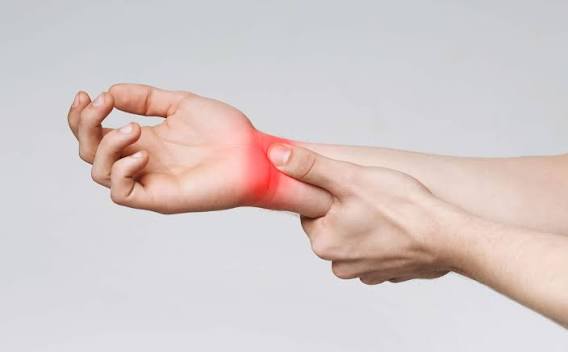
The carpal tunnel is a narrow passage in the wrist surrounded by bones and ligaments. When swelling or increased pressure develops within this tunnel, the median nerve becomes compressed, leading to pain, numbness, tingling, and weakness in the hand. The condition can affect one or both hands and is often linked to repetitive hand movements, pregnancy, diabetes, arthritis, thyroid disorders, or previous wrist injuries.
Common symptoms include:
Your specialist will review your symptoms, medical history, and perform a physical examination of your hand and wrist. Depending on your condition, additional investigations such as nerve conduction studies, electromyography (EMG), ultrasound, or imaging may be recommended to confirm the diagnosis and rule out other causes of nerve compression.
Treatment depends on the severity of your condition and may include:
Not every case of hand numbness is caused by carpal tunnel syndrome. Similar symptoms may result from neck problems, arthritis, tendon disorders, or other nerve conditions. Receiving the correct diagnosis ensures the most effective treatment and helps prevent permanent nerve damage or loss of hand function.
You should seek medical advice if:
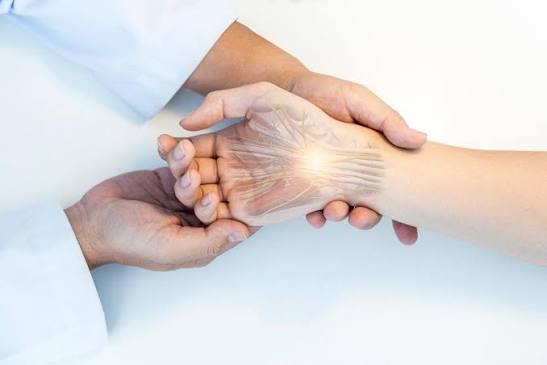
At Sheikh Sultan bin Zayed Hospital, our Orthopaedics, Neurology, and Physiotherapy & Rehabilitation teams work together to diagnose and treat carpal tunnel syndrome using evidence-based care tailored to each patient. Whether you require conservative treatment or surgical intervention, our multidisciplinary team is committed to helping you regain comfort, strength, and hand function.
To book an appointment, call 800 642.
Don’t wait, early diagnosis can make a life-changing difference. Book your appointment today and get the expert care you deserve.
Mild cases may improve with rest and activity modification, but persistent symptoms should always be assessed by a specialist.
People who perform repetitive hand movements, have diabetes, arthritis, thyroid disorders, or are pregnant have a higher risk.
No. Most patients improve with non-surgical treatments. Surgery is usually recommended only when symptoms are severe or persistent.
Recovery varies depending on the treatment. Mild cases often improve within weeks, while surgical recovery may take several months.
Maintaining good hand posture, taking regular breaks, and improving workstation ergonomics may help reduce the risk.
Conveniently located in Al Batayeh, Sharjah, Sheikh Sultan bin Zayed Hospital is easily accessible and serves communities across the Northern Emirates.
We are committed to providing world-class care to every patient we serve.
We welcome your feedback! Please let us know if you have any compliments, suggestions or concerns about our services.
Please contact us if you have any questions or would like more information.


